
Most renovation stories start the same way—with excitement. New floors, a new kitchen, a refreshed home. A property owner sits at their dining table with sketches, quotes, and a timeline that feels solid. Six weeks, the contractor says. Everything will run smoothly, they promise.
And then it happens.
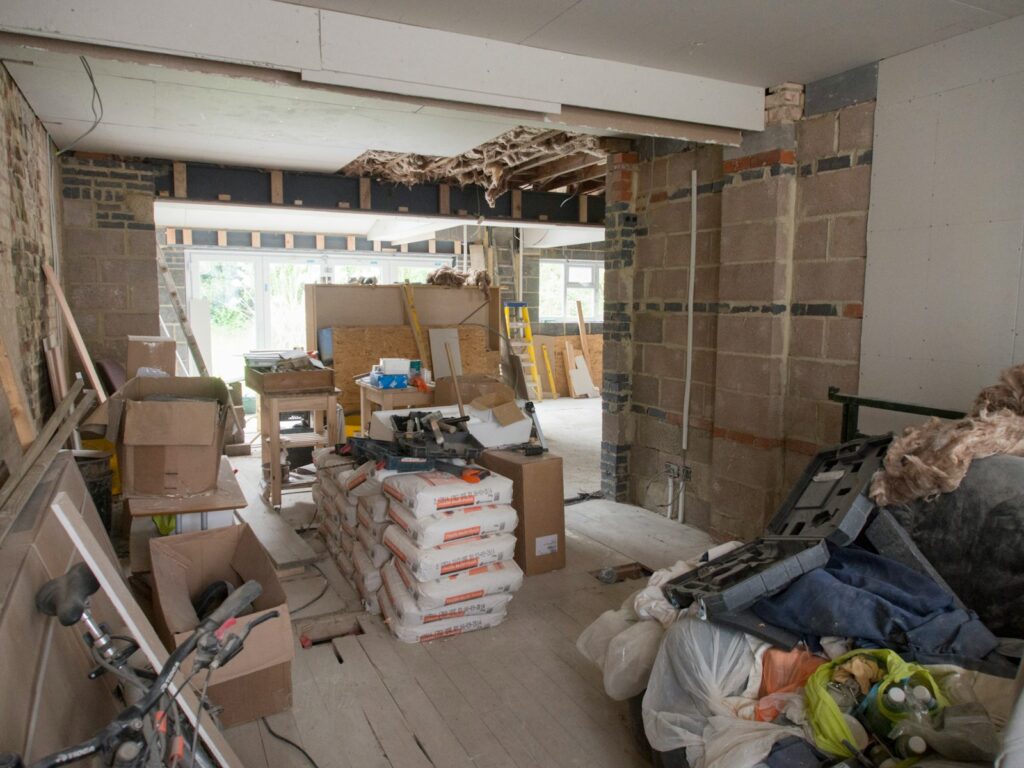
Week three arrives, and the crew doesn’t. Materials are delayed. The contractor asks for another payment—just to keep things moving. The homeowner starts to wonder what happened to the original timeline. Phone calls turn into excuses, excuses turn into tension, and tension often turns into the very thing every homeowner fears most: a stalled project and a financial dispute.
This is the hidden truth: most homeowners never learn how to avoid renovation money disputes until they’re already stuck in one.
But it doesn’t have to be that way.
What follows is the roadmap contractors rarely share; the one property owners desperately need. A new way to not only keep your renovation on schedule but to avoid renovation money disputes before they ever begin.
Why Renovation Timelines Break Down
Renovations fall apart for three predictable reasons—and every one of them ties back to unclear expectations and unsecured funds.
1. The Scope of Work Isn’t Detailed Enough
Even the best contractor can misunderstand what a homeowner wants. What feels like a small detail can turn into a change order, a delay, or a disagreement. When the scope isn’t ironclad, time gets lost in confusion. And guess what usually happens next?
Pressure for more money.
2. Payments Aren’t Connected to Progress
Most people pay a deposit, then pay again when asked.
But this system creates the perfect setup for delay:
- The contractor has the money.
- The homeowner has no leverage.
- The timeline slides the moment pressure disappears.
This is where many financial disputes begin—and where most owners wish they had learned how to avoid renovation money disputes earlier.
3. No Milestone-Based Plan Exists
Without clear milestones, the contractor gets paid purely on trust.
Without milestones, the owner loses control of the timeline.
And without milestones, renovation money disputes are almost guaranteed.
Why Money Disputes Are Built Into the Old Way of Renovating
Here’s the uncomfortable truth: the traditional payment model sets homeowners up to fail.
Contractors often need deposits for materials, labor scheduling, or cash flow. But the moment a large deposit is handed over, the homeowner immediately loses their strongest protection—the ability to make payments only when work is completed.
When the timeline slips or communication breaks down, the owner has no structured, neutral way to hold things together.
That’s exactly why so many people search online for ways to avoid renovation money disputes after they’ve already begun.
The Game-Changer: Milestone-Based Payments Through Escrow
Instead of hoping the project stays on track, milestone-based payments ensure it does.
Escrow creates a neutral financial system where:
- Funds are secured before the project begins.
- Payments are only released after a milestone is completed and verified.
- Both owner and contractor see the same timeline and expectations.
- Nobody has to fight over money—because the rules are clear.
This simple shift is how modern homeowners avoid renovation money disputes entirely.
The Secret to Keeping Contractors Accountable Without Creating Tension
Homeowners shouldn’t have to play project manager, debt collector, or watchdog.
Escrow removes that burden.
The homeowner doesn’t chase updates.
The contractor doesn’t feel accused or pressured.
The structure—not the people—keeps the project on track.
A third party (like Build Safe Escrow) holds the funds and manages the payment releases. This means:
- The contractor stays motivated to hit milestones.
- The timeline is respected.
- Work quality improves because every stage must be verified.
This is how smart owners maintain great relationships while ensuring the renovation stays on schedule and avoid renovation money disputes without conflict.
What a Proper Milestone Timeline Looks Like
A strong milestone schedule turns chaos into clarity.
A typical 5-stage renovation milestone plan might look like this:
- Milestone 1: Project start, demolition, and site prep
- Milestone 2: Rough plumbing, rough electrical, inspections
- Milestone 3: Framing, drywall, and initial installation
- Milestone 4: Finishes—flooring, tile, cabinetry, fixtures
- Milestone 5: Final inspection, punch list, and completion
Payment is tied to each stage—not before.
This is how homeowners avoid renovation money disputes because every payment has proof behind it. Nothing subjective. Nothing rushed. Nothing unclear.
How Escrow Prevents Delays Before They Start
Delays rarely come from a single moment—they build up quietly:
- A missing material order
- A subcontractor not showing up
- A failed inspection
- Miscommunication
- A surprise cost
- A sick builder
- A hurricane, illness, or personal emergency
Life happens.
Construction happens.
But money should never be at risk because of it.
Escrow eliminates most delay excuses because payments pause until the milestone is completed. Instead of an open-ended timeline with loose promises, escrow creates accountability and measurable progress.
This is how modern property owners avoid renovation money disputes even when something unexpected happens.
Escrow Solves Problems Before They Become Crises
Here are situations where homeowners usually panic—but escrow solves instantly:
Contractor Disappears for Days
Funds stay protected. No payment is released.
Work Quality Isn’t Good Enough
No release until issues are corrected.
Inspection Fails
The milestone remains incomplete; the money stays put.
Contractor Requests More Money Mid-Project
Escrow keeps payments structured; no shortcuts.
Conflict Over What Was Included in the Price
The written scope + milestones remove ambiguity.
Contractor Gets Sick, Injured, or Can’t Finish
Funds remain secure until a replacement is found.
In every scenario, escrow helps you avoid renovation money disputes that would normally lead to arguments, delays, or legal action.

The Modern Renovation Rule: Secure First, Build Second
Across the country, a new trend is emerging.
Homeowners are realizing that trust is not a plan.
A handshake is not protection.
And a deposit without structure is a risk no one should take.
The smartest property owners now follow one rule:
Secure the funds first; then build.
This one shift keeps renovations on schedule, reduces stress, and helps homeowners avoid renovation money disputes with confidence.
Escrow isn’t just for huge construction projects anymore. It’s becoming the standard for everyday remodels—from bathrooms to kitchens to additions—because it brings fairness, clarity, and financial protection to both sides.
Final Thoughts: You Deserve a Renovation That Stays on Track
Your renovation doesn’t need to turn into a battle.
It doesn’t need to drag on for months.
And it doesn’t need to put your money at risk.
With a clear scope of work, a milestone-based timeline, and a neutral escrow system, you can keep your project moving smoothly and avoid renovation money disputes entirely.
If you want to take the next step, explore more resources at BuildSafeEscrow.com:
- Guide: How Milestone Payments Protect Homeowners
- Blog: The One Agreement That Can Save Your Renovation
- Blog: Escrow Is Your Renovation Seatbelt
Secure first, build second—because that’s how smart renovations get done.
Ready to Go Deeper? Grab Our Free Guides:
🏡 For Property Owners:
Renovate Smarter: How to Protect Your Project Funds
Discover how to avoid common renovation pitfalls, protect your money, and choose the right contractor with confidence.
📥 Download the free guide
👷 For Contractors:
Win More Jobs with Escrow: A Contractor’s Guide to Securing Projects and Payments
Learn how offering escrow-backed bids can help you stand out, get paid faster, and build a reputation for professionalism.
📥 Download the contractor guide
Ready to protect your project and build with confidence?
Let Build Safe Escrow be your trusted partner in protecting funds, preventing disputes, and turning every milestone into measurable progress.
👉 Schedule a free consultation and discover how our milestone-based escrow system is helping property owners, contractors, and developers safeguard their investments—and their peace of mind.
Want to talk to someone about setting up an escrow account for your project?
📞 Call us at (855) 611-3532
🌐 Visit www.buildsafeescrow.com
Frequently Asked Questions About Escrow and Renovations
How can I avoid renovation money disputes with my contractor?
The best way to avoid renovation money disputes is to tie payments directly to completed milestones. When funds are held in escrow and only released after work is verified, both the timeline and the quality of work stay on track.
What is the safest payment method for a home renovation?
A neutral escrow account is the safest method. It protects your funds, prevents overpayments, and ensures money is released only when agreed-upon work is completed—helping you avoid renovation money disputes from the start.
What should be included in a milestone schedule?
A strong milestone plan includes: the scope of work, start and end dates for each phase, inspection checkpoints, payment triggers, and lien waiver requirements. This structure makes it easier to avoid renovation money disputes and keeps expectations clear.
What happens if my contractor doesn’t finish a milestone?
With escrow, payment simply pauses. Funds remain protected until the milestone is completed and verified. This prevents rushed work, excuses, and financial pressure—key steps to help you avoid renovation money disputes.
How do I protect my renovation funds if something unexpected happens?
Escrow offers built-in protection. Whether a contractor gets sick, faces delays, or walks off the job, your funds stay secure. This financial safety net gives you time, control, and confidence while helping you avoid renovation money disputes in any scenario.
➕ More Resources from Build Safe Escrow:
- Home Renovation Cost in 2026: What Owners Should Budget, State by State
 What a renovation really costs in 2026, why the same kitchen is priced differently in Texas and New York, and how owners keep every dollar tied to finished work.
 - Construction Escrow for Contractors: How It Works and How You Get Paid
 Escrow from the contractor’s seat: proof the money exists before you start, a milestone schedule you help write, and payment that arrives on verification instead of on a promise.
 - How Construction Escrow Works: A Simple Guide for Property Owners
 A plain walkthrough of how construction escrow works for homeowners funding a renovation or build: where the money sits, when it moves, and what happens if a contractor stops.
 - Construction Escrow for Property Managers: How It Works, Simplified
 A plain walkthrough of construction escrow for property managers: how funds are held, how milestones get verified, and how the whole thing becomes a report your owners can read.
 - Property Manager Vendor Payments: How to Pay Contractors Across a Portfolio Without Carrying the Risk
 A property manager’s guide to paying contractors and vendors across a portfolio without becoming the one who absorbs the risk: verified releases, lien protection, and a structure that keeps owner funds separate and accountable.