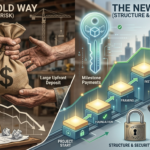
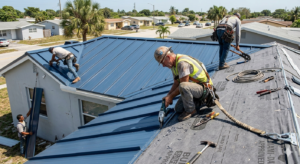
A homeowner receives a $38,000 insurance check after a hurricane. Within two days, three roofing companies knock on the door.
One asks for 50% upfront in cash.
Another says they can “start tomorrow” if the homeowner signs immediately.
The third says something different:
“Your funds stay protected with a neutral third party, and we only get paid as milestones are completed.”
Suddenly, the conversation changes.
The homeowner stops comparing price alone and starts comparing trust.
Roofing is one of the highest-risk trades in construction; for both the homeowner and the roofing company. Large upfront payments, weather delays, insurance claim complications, supplement disputes, and a long history of storm-chasing operators have made homeowners more suspicious of roofing bids than almost any other trade.
Construction escrow changes that dynamic completely.
The roofing companies that adopt milestone-based roofing escrow early are going to win a disproportionate share of the market over the next decade.

Why Roofing Has a Trust Problem (And How It Hurts Legitimate Companies)
After every major storm, two types of roofing companies appear:
- Legitimate local professionals who do quality work and stand behind it
- Fly-by-night storm chasers who collect large deposits, deliver poor workmanship, or disappear entirely
The problem is that homeowners often cannot tell the difference during the bidding stage.
So they become suspicious of everyone.
They delay signing contracts. They demand references they never call. They negotiate deposits aggressively because they are afraid of losing money.
Meanwhile, legitimate roofing companies suffer the consequences.
- Good roofers lose projects to low-priced competitors
- Honest contractors spend hours overcoming fear and objections
- Homeowners overpay for under-delivered work because they chose based on price instead of protection
- Insurance-funded projects create additional tension because the homeowner views the payout as “extra money” rather than dedicated construction funds
The trust gap hurts everyone involved.
Construction escrow solves the problem structurally and understanding roofing escrow can help homeowners make informed decisions during the roofing process.
Instead of asking the homeowner to trust you blindly, you give them a system where trust is reinforced through verification, milestone approvals, and protected funds.
Roofing and Escrow Are a Natural Fit
Roofing projects already follow clear phases of work, which makes them ideal for milestone-based payments.
Unlike many trades where project progress can feel subjective, roofing milestones are easy to verify visually, photographically, and through inspections.
A standard roofing replacement naturally maps into escrow milestones like:
| Milestone | Description | Example Percentage |
|---|---|---|
| Milestone 1 | Signed contract, permits pulled, materials ordered and confirmed | 15% |
| Milestone 2 | Tear-off completed, decking inspected, repairs completed | 30% |
| Milestone 3 | New roofing system installed, flashing and waterproofing completed | 35% |
| Milestone 4 | Final inspection passed, cleanup completed, warranty documentation delivered | 20% |
Each phase is tied to a measurable deliverable.
No ambiguity.
No guessing.
Just work completed → verified → payment released.
Escrow Doesn’t Slow Payments; It Speeds Them Up
One of the biggest misconceptions in roofing is that escrow delays contractors from getting paid.
In reality, escrow often helps roofing companies get paid faster and more consistently.
Why?
Because the funds are already secured before the project begins.
That means:
- No chasing unpaid invoices
- No “the insurance company hasn’t released the next check yet”
- No disappearing homeowners after materials are delivered
- No disputes about whether money exists for the project
- Faster approvals tied to milestone completion
- Clear documentation for every payment request
For many roofing companies, the biggest financial risk is not the work itself; it is payment uncertainty.
Construction escrow removes much of that uncertainty.
Some contractors are even using escrow-backed projects as a sales advantage by telling homeowners:
“Your funds stay protected, and we get paid only when work is completed.”
That message builds immediate credibility.
Weather Delays Create Financial Stress — Escrow Helps Stabilize the Project
Roofing projects are uniquely vulnerable to weather interruptions.
A sudden storm can delay installation by days. Materials may already be ordered and labor crews already scheduled.
Without structure, these delays create tension quickly:
- The homeowner becomes nervous
- The contractor worries about payment timing
- Insurance schedules become compressed
- Communication starts breaking down
Escrow creates stability during uncertainty because the funds remain reserved specifically for the project.
Even when timelines shift, both parties know:
- The project funds are protected
- Payment expectations are documented
- Milestones remain clear
- The contractor is not relying on verbal promises
That structure alone can dramatically reduce conflict.
Insurance Claims and Escrow: A Powerful Combination
Many roofing projects are funded through insurance claims, which creates a unique opportunity for milestone-based escrow.
When insurance proceeds are placed into a construction escrow account rather than directly into general spending accounts, the project becomes significantly more organized and transparent.
Everyone benefits:
- The homeowner knows the funds are protected for the roofing project
- The contractor knows the funds exist before work begins
- The insurance payout is tied directly to completed work
- Supplement funds and additional claim payments can be documented properly
- Mortgage company oversight becomes easier to manage
- Final payments are tied to inspections and project completion
Escrow also reduces the temptation for homeowners to redirect insurance funds toward unrelated expenses, which is more common than many contractors realize.
Some roofing companies are now including escrow-backed payment management as part of their insurance restoration process, turning it into a premium trust-building service rather than an added cost.
Construction Escrow Can Help Reduce Supplier and Payment Disputes
Roofing projects involve multiple moving parts:
- Material suppliers
- Dumpster providers
- Labor crews
- Subcontractors
- Inspection requirements
- Supplement claims
- Warranty documentation
When payment confusion happens, disputes can spread quickly.
Construction escrow creates a cleaner financial process by documenting every disbursement and milestone.
In some projects, suppliers or subcontractors can even be paid directly through the escrow process, helping:
- Reduce lien risks
- Improve transparency
- Protect material deliveries
- Create a documented payment trail
- Prevent disputes over unpaid balances
For larger roofing companies, this creates a more professional operational structure that scales more effectively as the company grows.
Why Homeowners Say Yes Faster to Escrow-Backed Roofing Projects
Many homeowners delay roofing decisions because they are overwhelmed.
They fear:
- Scams
- Poor workmanship
- Overpaying upfront
- Insurance complications
- Contractors disappearing mid-project
- Paying before work is truly complete
Escrow reduces emotional resistance.
Instead of feeling pressured into a large upfront payment, the homeowner feels protected by a neutral structure.
That changes the psychology of the sale.
The homeowner becomes more comfortable moving forward because:
- Funds are protected
- Payments are milestone-based
- Work must be verified
- The contractor is demonstrating transparency
For roofing companies, this often leads to:
- Faster approvals
- Higher close rates
- Less negotiation
- Stronger referrals
- Better reviews
What Happens If Something Goes Wrong?
Even legitimate projects can face unexpected problems.
A contractor could become ill.
A supplier shipment could be delayed.
A permit inspection could fail.
A storm could pause work unexpectedly.
An insurance supplement could take weeks longer than anticipated.
Construction escrow does not eliminate these situations; but it creates structure during uncertainty.
Instead of confusion, both parties already have:
- A documented payment process
- Clear milestone expectations
- Protected project funds
- A neutral third party managing disbursements
- Communication procedures for approvals and releases
In an industry where unpredictable events happen regularly, structure matters.
Roofing Companies That Adopt Escrow Early Will Have a Competitive Advantage
Ten years ago, homeowners accepted large deposits because they had few alternatives.
Today, consumers expect:
- Transparency
- Digital verification
- Secure payments
- Professional systems
- Financial accountability
Roofing companies already invest heavily in:
- Better crews
- Better equipment
- Better CRM systems
- Better marketing
- Better project management software
The next competitive advantage is better trust.
The roofing companies that dominate the next decade will not simply be the cheapest.
They will be the companies that make homeowners feel safest.
Escrow-backed roofing projects are not just safer; they create:
- Faster decisions
- Smoother payments
- Better reviews
- Higher-value clients
- Stronger referrals
- More professional operations
Trust in construction is no longer built with promises alone.
It is built with systems.
How to Introduce Escrow to Homeowners Without Making It Complicated
The best roofing companies keep the explanation simple.
A straightforward introduction might sound like this:
“We use milestone-based escrow to protect both sides. Your funds stay secure with a neutral third party, and we get paid as work is completed and verified.”
That single sentence immediately separates your company from competitors asking for large upfront deposits without any financial structure.
The Future of Roofing Is Protected, Transparent Payments
After every major storm, homeowners search for one thing above all else:
Someone they can trust.
Construction escrow gives roofing companies a way to demonstrate professionalism before the first shingle is installed.
It transforms the conversation from:
“How much upfront?”
to
“How is the project protected?”
And in an industry where reputation spreads quickly, especially after storms, the companies that create the safest experience will win the future.
Ready to offer escrow-backed roofing projects?
Build Safe Escrow helps roofing companies across the country implement milestone-based payment protection for insurance claims, roof replacements, and restoration projects.
Get a free consultation and learn how escrow-backed roofing projects can help your company stand out, close faster, and get paid on time.
Frequently Asked Questions About Roofing Escrow
What is roofing escrow?
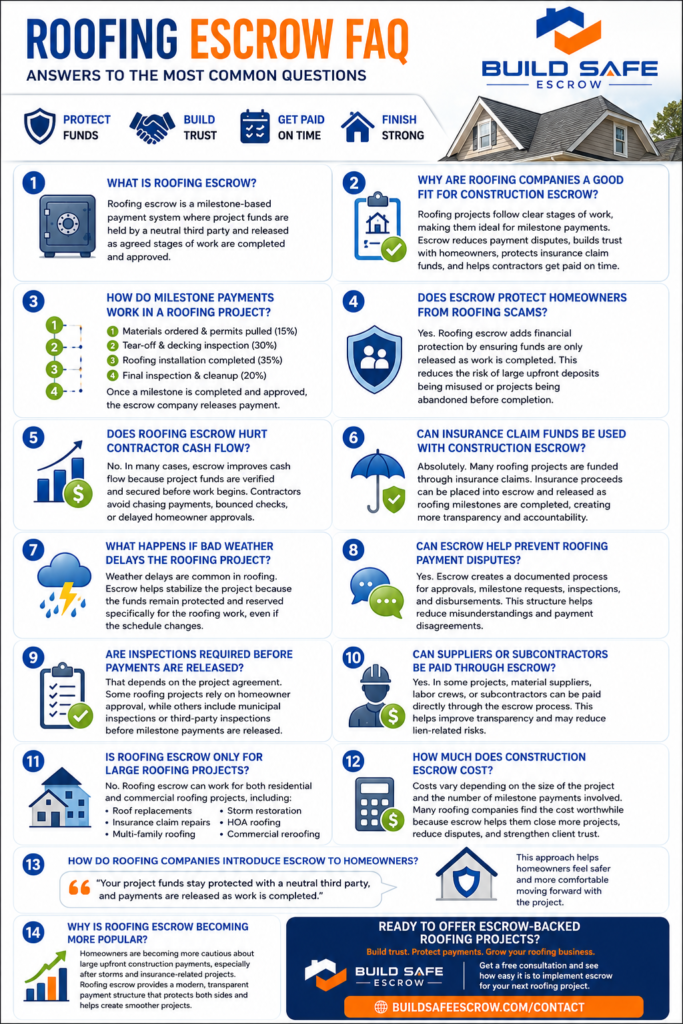
Roofing escrow is a milestone-based payment system where project funds are held by a neutral third party and released as agreed stages of work are completed and approved. Instead of paying large deposits directly to a contractor, the homeowner’s funds remain protected until roofing milestones are verified.
Why are roofing companies a good fit for construction escrow?
Roofing projects naturally follow clear stages of work, making them ideal for milestone-based payments. Roofing escrow helps reduce payment disputes, builds trust with homeowners, protects insurance claim funds, and helps contractors get paid on time as work progresses.
How do milestone payments work in a roofing project?
Payments are divided into predetermined stages tied to completed work. A typical roofing escrow schedule may include:
Materials ordered and permits pulled
Tear-off and decking inspection
Roofing installation completed
Final inspection and cleanup
Once a milestone is completed and approved, the escrow company releases payment to the roofing contractor.
Does construction escrow protect homeowners from roofing scams?
Yes. Roofing escrow adds financial protection by ensuring funds are only released as work is completed. This reduces the risk of large upfront deposits being misused or projects being abandoned before completion.
Does roofing escrow hurt contractor cash flow?
No. In many cases, escrow improves cash flow because project funds are verified and secured before work begins. Contractors avoid chasing payments, dealing with bounced checks, or waiting on delayed homeowner approvals.
Can insurance claim funds be used with construction escrow?
Absolutely. Many roofing projects are funded through insurance claims. Insurance proceeds can be placed into escrow and released as roofing milestones are completed, creating more transparency and accountability for everyone involved.
What happens if bad weather delays the roofing project?
Weather delays are common in roofing. Escrow helps stabilize the project because the funds remain protected and reserved specifically for the roofing work, even if the schedule changes due to storms or unexpected weather conditions.
Can escrow help prevent roofing payment disputes?
Yes. Escrow creates a documented process for approvals, milestone requests, inspections, and disbursements. This structure helps reduce misunderstandings and payment disagreements between homeowners and roofing contractors.
Are inspections required before payments are released?
That depends on the project agreement. Some roofing projects rely on homeowner approval, while others include municipal inspections or third-party inspections before milestone payments are released.
Can suppliers or subcontractors be paid through escrow?
Yes. In some projects, material suppliers, labor crews, or subcontractors can be paid directly through the escrow process. This helps improve transparency and may reduce lien-related risks.
Is roofing escrow only for large roofing projects?
No. Roofing escrow can work for both residential and commercial roofing projects, including:
Roof replacements
Storm restoration
Insurance claim repairs
HOA roofing projects
Multi-family roofing work
Commercial reroofing projects
How much does construction escrow cost?
Costs vary depending on the size of the project and the number of milestone payments involved. Many roofing companies find the cost worthwhile because escrow helps them close more projects, reduce disputes, and strengthen client trust.
For a free quote, visit:
Build Safe Escrow Free Consultation
How do roofing companies introduce escrow to homeowners?
Most roofing companies keep it simple:
“Your project funds stay protected with a neutral third party, and payments are released as work is completed.”
This approach helps homeowners feel safer and more comfortable moving forward with the project.
Why is roofing escrow becoming more popular?
Homeowners are becoming more cautious about large upfront construction payments, especially after storms and insurance-related projects. Roofing escrow provides a modern, transparent payment structure that protects both sides and helps create smoother projects.